Consumables
Wood pellets for smoking: species, blends, and storage
EWEthan Wilder (pen name)Published 2026-07-206 min read
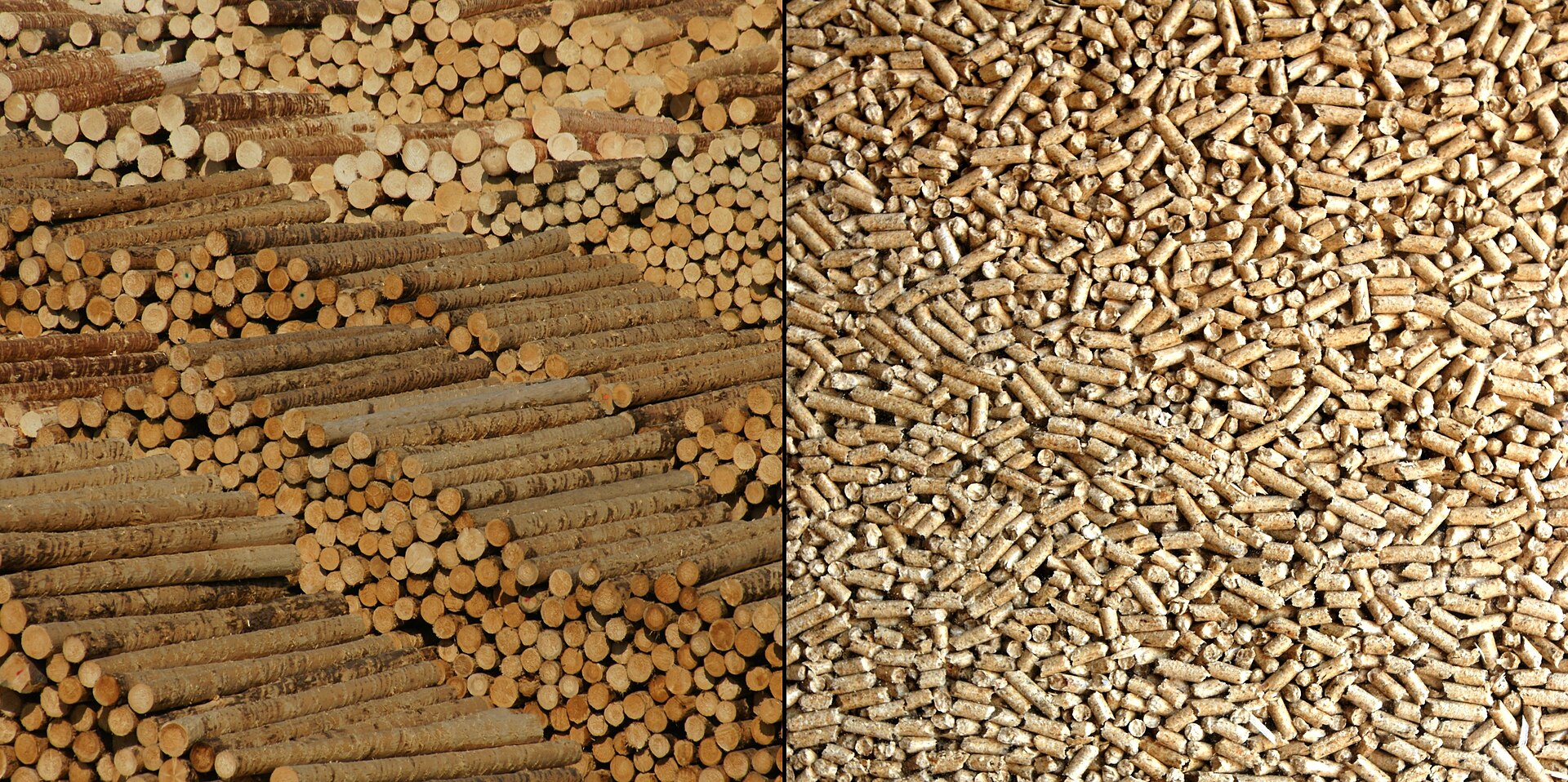
Image source: File:Holz Pellets.jpg · CC BY-SA 2.5 via Wikimedia Commons
Wood pellets are both the fuel and the smoke source in a pellet grill. Choose them by smoke strength, bag condition, and how you will store them. Flavor descriptions are preferences, not guarantees; the practical goal is a dry, consistent pellet that feeds through the auger without crumbling.
Single species vs. blends
Pellets are pressed from hardwoods, and makers sell them two ways: single-species bags such as hickory, oak, mesquite, apple, and cherry, and blends that combine woods for a rounder profile. Single species is predictable - oak burns clean and neutral, hickory is assertive, mesquite is the strongest of the common choices - while blends aim for balance across long cooks.
There is no objective winner, and manufacturer flavor guides present exactly that: guidance. Use a mild fruit wood for chicken, fish, and vegetables; choose oak for an all-purpose beef or pork smoke; reserve hickory or mesquite for ribs, brisket, and other robust cuts. Match intensity to cook time: a short hot cook picks up less smoke than an overnight brisket run.
- Fruit woods like apple and cherry read as mild and sweet.
- Hickory and mesquite are the assertive, savory end of the scale.
- Blends are forgiving for beginners and long cooks.
What to check in a bag
Quality shows up in consistency: even pellet length, a smooth shiny surface, and little sawdust at the bottom of the bag. Pellets are hardwood pressed under heat and pressure, and well-made ones hold their shape and burn evenly, while damaged or poorly made pellets crumble into dust that feeds poorly.
Check the label for the wood source and for any binders or additives. If someone who eats your food has sensitivities, verify what the pellet maker states on the bag and start with a small batch before committing.
If you are unsure about a bag, test a small hopper load rather than committing it to an overnight cook. Watch for a clean feed, steady temperature, and unusual ash. A batch that produces repeated feed alarms or a large amount of loose dust belongs in the bin, not in the middle of a long brisket.
- Dull, crumbling pellets with heavy bag dust are old or damp.
- Buy from brands that state the wood species on the label.
- Sawdust at the bottom is normal in small amounts, not bags of it.
Storage: moisture is the enemy
A pellet grill pulls pellets from the hopper into an auger, and damp pellets swell and clog that feed system - which is why storage matters as much as the purchase. Manufacturer guidance flags dull pellets, crumbling, moisture in the bag, and clumps of sawdust as signs a batch has been compromised.
Store bags sealed and off the ground in a dry spot, move pellets into a sealed container in humid climates, and never leave the hopper full for weeks between cooks. When you suspect a bag, empty the hopper and vacuum the auger tube before adding fresh pellets.
Do not mix a questionable old bag with a fresh one. If damp pellets swell in the auger, the fresh pellets will not solve the blockage; empty the system first and clear the sawdust while the grill is unplugged and cold.
- Keep bags sealed and off concrete or wet floors.
- A sealed pellet bin is worth it in humid regions.
- Empty the hopper for long gaps between cooks.
Smoke adds flavor, not safety
USDA guidance on smoking is clear that the process is about flavor, and that smoked meat and poultry must still reach safe internal temperatures - low smoking heat does not kill harmful bacteria the way full cooking does.
The smoke profile can change from apple to mesquite, but the safety check does not. Use a thermometer for poultry at 165°F, ground meats at 160°F, or whole beef and pork steaks, roasts, and chops at 145°F followed by a three-minute rest; the same USDA thresholds apply whether the heat came from pellets, gas, or charcoal.
Sources
Sources used for this page
Ethan Wilder (pen name)
Research-based guides · read the Editorial policy
Keep planning
More in Accessories
- 01How to Choose a Pellet Grill: Size, Features, and What to SkipEquipment · 5 min read
- 02Pellet Grills 101: How They Work and Who They Actually SuitEquipment · 5 min read
- 03How to Choose Your First Smoker: Pellet, Charcoal, Electric, or KamadoEquipment · 5 min read
- 04Smoker vs grill: do you need both?Comparison · 5 min read
- 05Flat-top griddle vs grill: what each does bestComparison · 5 min read