Equipment
How to Choose Your First Smoker: Pellet, Charcoal, Electric, or Kamado
EWEthan Wilder (pen name)Published 2026-07-065 min read
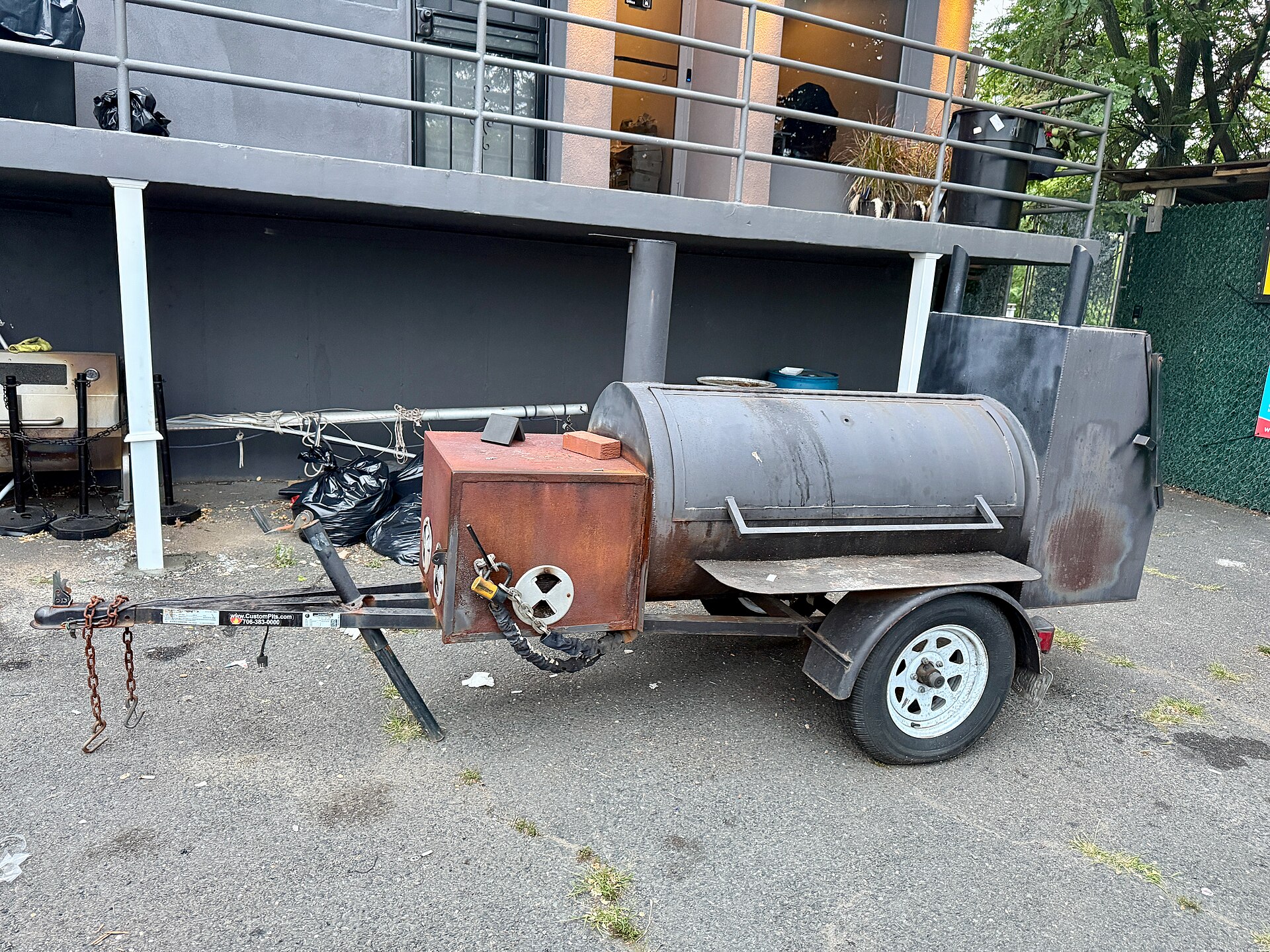
Image source: File:BBQ Smoker Grill Trailer.jpg · CC BY-SA 4.0 via Wikimedia Commons
Your first smoker choice is mostly a choice about attention. Pellet and electric units reduce fire tending; charcoal rewards hands-on control; a kamado adds insulation and versatility at the cost of weight and slower temperature changes. Start with the hours you can actually give the cook.
The four main types in plain terms
All four types smoke meat; the real differences are fuel, control, and how much of your attention the cook takes. Here is what each one actually is.
Pellet smokers need electricity and come closest to set-and-forget wood cooking. Charcoal smokers, like Weber's Smokey Mountain water smoker, burn charcoal with wood chunks for flavor and reward attentive cooks. Electric smokers use an electric element and smolder wood chips, making them easiest to run but lightest on smoke. Kamados are thick-walled ceramic charcoal cookers that handle low-and-slow smoking and hot grilling in one heavy unit.
- Pellet: set a temperature and the controller holds it; fuel plus electricity.
- Charcoal: classic smoke, real fire management, fuel you can buy anywhere.
- Electric: plug-in convenience, no open flame, ideal where flames are restricted.
- Kamado: ceramic insulation, versatile, heavy, and slow to heat and cool.
Match the smoker to your week, not your fantasy
Ask what a typical smoke looks like for you. Cooking overnight or during the workday points to pellet or electric, which hold temperature without you. If smoking is a weekend ritual you enjoy tending, charcoal rewards you with flavor. If you want one cooker for brisket in winter and burgers in summer, a kamado's versatility stands out.
Also be realistic about space and rules. Electric smokers run on a standard household outlet and have no open flame, which makes them practical where apartment or building rules restrict gas and charcoal. Charcoal and pellet cookers belong outdoors only, in a well-ventilated spot away from walls, doors, and overhangs.
Capacity: size for the cooks you actually do
Size the smoker by your biggest regular cook, because many first smokers are bought for one hero meal: a Thanksgiving turkey, a birthday brisket, a summer rack-heavy cookout. Count the usable grate space and the racks. Weber, for example, rates its 22-inch Smokey Mountain as fitting six racks of ribs across 726 square inches.
Bigger cookers take longer to reach temperature and burn more fuel, so buy the size you need rather than the largest one on the shelf.
Budget beyond the sticker price
The cooker is only part of the first-year cost, because fuel is ongoing: briquettes or lump, wood chunks, pellets, or electricity cost differently depending on how often you cook. Construction quality matters too, since the cooker lives outdoors; check metal gauge, welds, and lid fit alongside capacity.
Set aside room in the budget for a reliable probe thermometer. Learning to smoke without one means cooking by guesswork, and guessing is exactly what long, low-temperature cooks punish.
Temperature is the whole game
The chamber dial tells you about the air; the food probe tells you about the meal. For any of these four smoker types, use USDA's 165°F poultry, 160°F ground-meat, or 145°F whole-cut target with a 3-minute rest, then choose the cooker whose fire-control routine you can repeat.
Every type above cooks the same meat to the same safe numbers, so choose by the cooking style you want and then learn temperature management on whichever cooker you pick.
Sources
Sources used for this page
Ethan Wilder (pen name)
Research-based guides · read the Editorial policy
Keep planning
More in Equipment
- 01How to Choose a Pellet Grill: Size, Features, and What to SkipEquipment · 5 min read
- 02Pellet Grills 101: How They Work and Who They Actually SuitEquipment · 5 min read
- 03How to Choose a Gas Grill: Burners, BTUs, and MaterialsEquipment · 5 min read
- 04Smoker vs grill: do you need both?Comparison · 5 min read
- 05Flat-top griddle vs grill: what each does bestComparison · 5 min read