Equipment
How to Choose a Pellet Grill: Size, Features, and What to Skip
EWEthan Wilder (pen name)Published 2026-07-025 min read
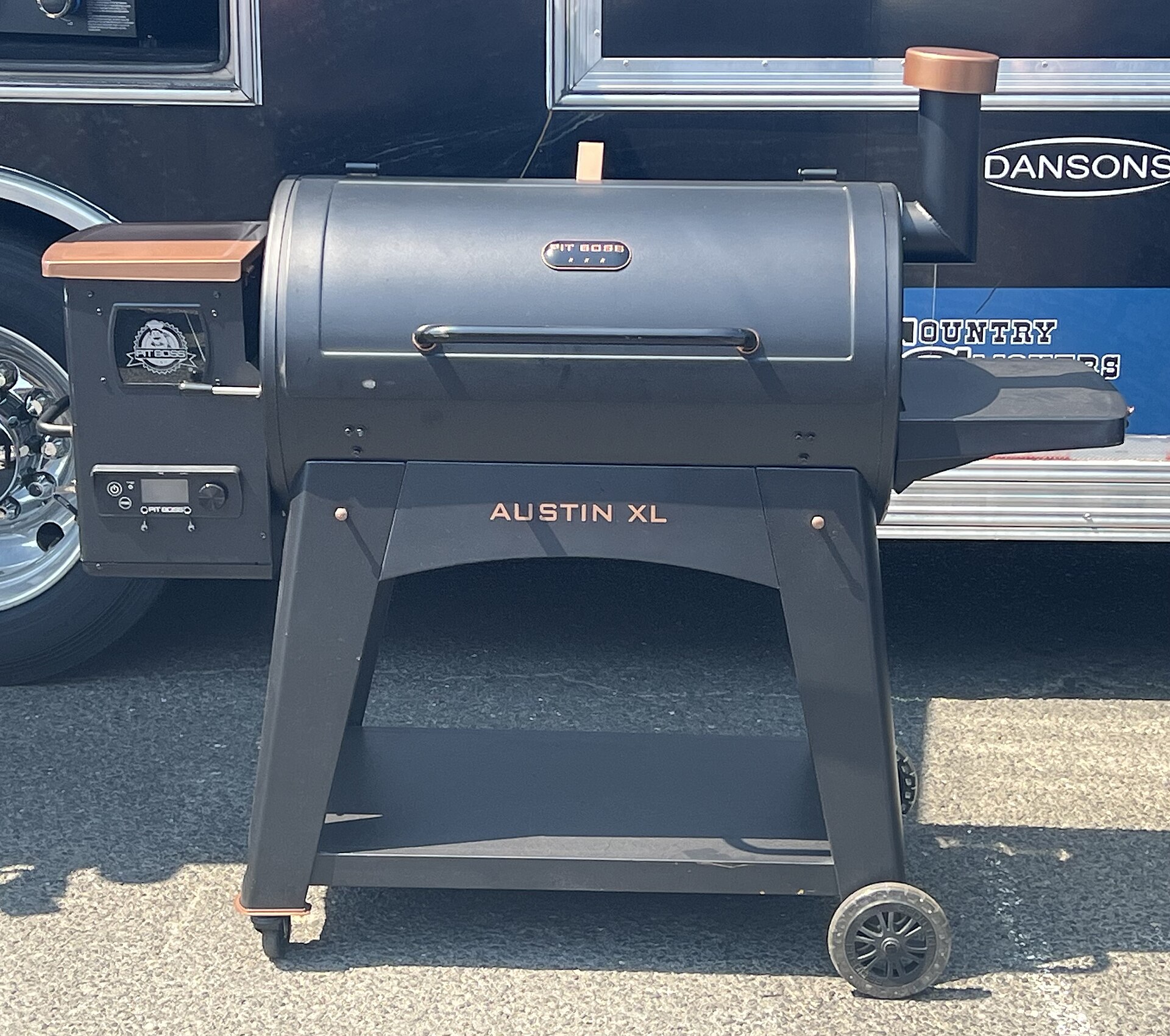
Image source: File:Pit Boss Austin XL Grill.jpg · CC BY-SA 4.0 via Wikimedia Commons
A pellet grill is a small fuel-handling appliance as much as it is a cooker. Before looking at features, decide how much grate space you need, whether you need a hot sear, where the grill will live, and whether you are willing to keep pellets dry and clean ash from the firepot.
How a pellet grill actually works
A pellet grill is part grill, part oven, part smoker. Hardwood pellets pour into a storage hopper, a motor-driven auger feeds them into a fire pot, and a fan supplies air while a controller holds a set temperature much like an oven thermostat. Traeger, which introduced the format, describes the wood pellet grill as combining features of ovens and traditional grills.
Because the fuel is wood, the smoke flavor comes from the pellets themselves rather than added chips. That is the trade: you give up the hands-on ritual of a charcoal fire for one you can set and walk away from.
- Hopper capacity: a bigger hopper means longer unattended runs before you have to refill.
- Cooking area: usually quoted in square inches of grate space, sometimes spread across several racks.
- Maximum heat: some models are built for low-and-slow and grill modestly; others reach searing heat. Be honest about how you cook.
- Cleanup design: how easily you can reach the fire pot and ash after each cook.
Size: match the cooker to your biggest cook
Start with the largest meal you realistically host, not the average weeknight. A grill that fits a brisket plus sides for a family dinner can feel tight for a block party, and larger units take more patio space.
If smoking is your main goal, look past the headline square-inch number and check whether the racks hold the cuts you cook, like several racks of ribs or a whole turkey. How the space is arranged matters more than the total.
Features that earn their place, and ones you can skip
Spend on the cooking system before the extras. The temperature controller, the auger and fan, and easy access to the fire pot and ash decide whether an overnight smoke holds its temperature.
Add-ons like app connectivity, pellet-level sensors, and folding shelves are convenient but not essential. If you will not use a feature in the first month, it is not worth the price step. Most pellet grills now use microprocessor-based controllers, so judge controller quality, not the gadget list.
Pellets are sold in bags of a single hardwood or a blend, under flavor names such as hickory, mesquite, and oak, so budget for ongoing fuel. The auger and fan also need electricity, which means an outdoor outlet and a grill that stays put.
- A meat probe jack is worth more than Wi-Fi for most cooks.
- Larger hoppers suit overnight cooks; smaller ones are fine for quick smokes.
- Keep pellets dry and sealed so they feed cleanly through the auger.
Cook to temperature, not to time
The controller can steady the pit, but it cannot certify dinner. Put the probe in the thickest part of the food and compare that reading with USDA's floor: poultry 165°F, ground meat 160°F, and whole-muscle beef, pork, or lamb 145°F followed by a 3-minute rest.
Use the controller to hold the pit steady, then let the meat probe decide when the brisket, ribs, or shoulder is ready. Keeping that probe in place also saves heat on a long pellet cook because you can check progress without lifting the lid.
Sources
Sources used for this page
Ethan Wilder (pen name)
Research-based guides · read the Editorial policy
Keep planning
More in Equipment
- 01Pellet Grills 101: How They Work and Who They Actually SuitEquipment · 5 min read
- 02How to Choose Your First Smoker: Pellet, Charcoal, Electric, or KamadoEquipment · 5 min read
- 03How to Choose a Gas Grill: Burners, BTUs, and MaterialsEquipment · 5 min read
- 04Smoker vs grill: do you need both?Comparison · 5 min read
- 05Flat-top griddle vs grill: what each does bestComparison · 5 min read