Comparison
Flat-top griddle vs grill: what each does best
EWEthan Wilder (pen name)Published 2026-07-285 min read
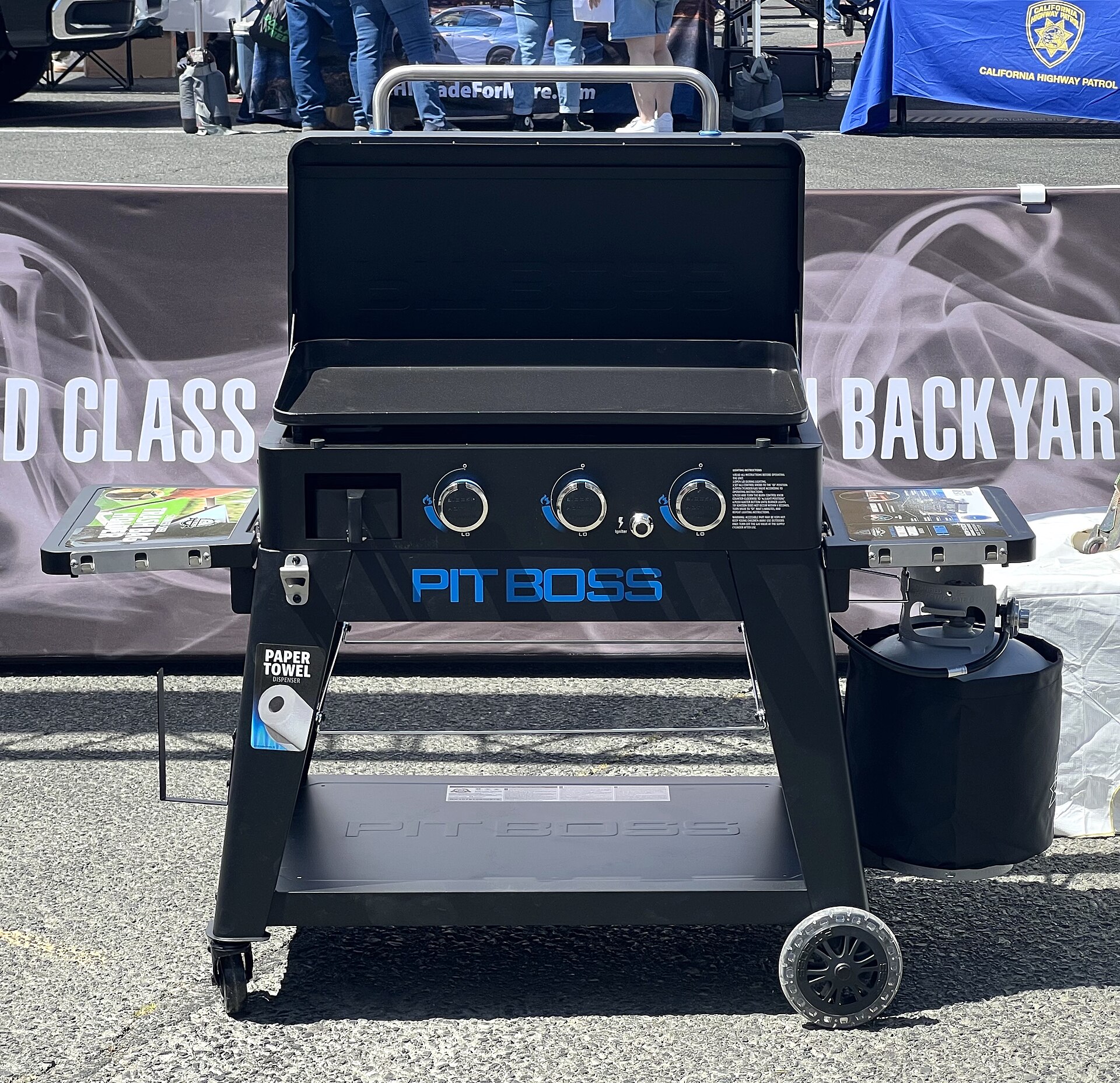
Image source: File:Pit Boss Ultimate 3-Burner Gas Griddle Sonoma 2026.jpg · CC BY-SA 4.0 via Wikimedia Commons
The grate and the flat top solve different cooking problems. A grill gives you direct heat, char, and room for larger cuts; a griddle gives you full contact with the steel and keeps small food from falling through. Choose by the meals you make most often, not by the shape of the appliance.
Two very different cooking surfaces
The cooking surface is the entire difference. A grill holds food on metal grates above an open fire, so heat rises through the food while juices and fat fall away. A griddle is a solid steel plate heated from below, with one continuous, evenly heated surface and no gaps for food to slip through.
The flat surface changes the menu. Eggs, pancakes, bacon, fish fillets, vegetables, and sauces stay put, and even contact heat browns without scorching in isolated hot spots. It also changes cleanup: a griddle routes grease toward a catch tray instead of letting it drip into the fire, so you manage runoff rather than flare-ups.
What a grill does best
Grill grates earn their place on anything you want charred and smoky. Steaks, chops, burgers, and chicken pick up sear marks and a taste of wood or charcoal, and dripping fat creates the brief flare-ups that crisp edges. If smoke and char are part of your cooking identity, a grill, whether charcoal, gas, or pellet, is the tool that delivers them.
Grills are also the better home for big pieces of meat. With one side hot and the other arranged for indirect cooking under the lid, you can roast whole poultry or a large cut at a gentler temperature, which a flat top does not offer in the same way.
What a griddle does best
A griddle excels at foods that are small, delicate, or full of moisture, and at cooking many items at once on a single surface: breakfast spreads, smashed burgers, seared fish and shrimp, stir-fry, and vegetables. Because the heat is even, there are no hot and cool zones to juggle.
Outdoor flat tops take the same idea bigger, with more cooking area, multiple heat zones, and propane or pellet burners sized for patios, so an entire meal can come off in one continuous session.
- Breakfast for a crowd on one cooktop: eggs, pancakes, bacon, hash browns.
- Delicate foods like fish and eggs stay whole instead of falling through grates.
- Sauces and juices stay on the surface, where you control them.
Sizing, upkeep, and the trade-off
Size should follow your biggest regular crowd: pick a cooking area that fits a normal family dinner plus the occasional party, since a surface you cannot fit food on is no upgrade. Both types need routine cleaning; a griddle adds the job of keeping a seasoned, oiled surface healthy between cooks, while a grill centers on grate care and emptying the grease tray.
Temperature habits are the same for both surfaces: cook ground meat to 160°F and poultry to 165°F per the USDA safe minimum internal temperature chart, whether the food browns on steel or over grates. If your menu leans toward breakfast, seafood, and vegetables, a griddle is the better fit; if it leans toward char, smoke, and whole cuts, choose the grill.
Sources
Sources used for this page
Ethan Wilder (pen name)
Research-based guides · read the Editorial policy
Keep planning
More in Comparisons
- 01Smoker vs grill: do you need both?Comparison · 5 min read
- 02Pellet grill vs gas grill: which matches your cooking styleComparison · 5 min read
- 03Pellet grill vs charcoal: smoke flavor, cost, and commitmentComparison · 5 min read
- 04How to Choose a Pellet Grill: Size, Features, and What to SkipEquipment · 5 min read
- 05Pellet Grills 101: How They Work and Who They Actually SuitEquipment · 5 min read