Comparison
Pellet grill vs gas grill: which matches your cooking style
EWEthan Wilder (pen name)Published 2026-07-305 min read
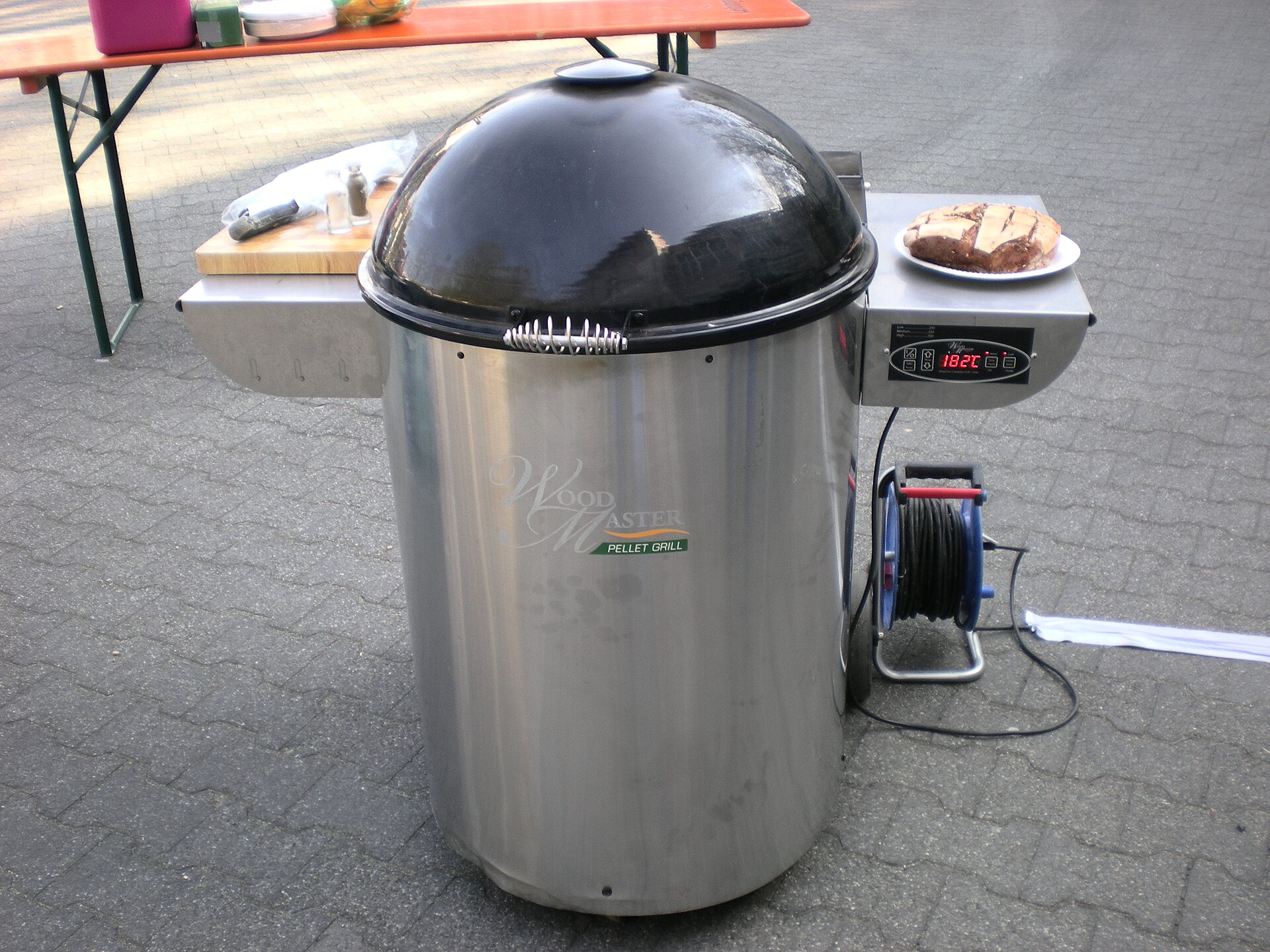
Image source: File:Pellet Kettle Grill.JPG · CC BY-SA 3.0 via Wikimedia Commons
Gas and pellet grills can both handle dinner, but they make you work in different ways. Gas gives you instant heat and a clean flame; pellets add steady wood smoke and electronic control. Compare the fuel, the startup routine, and the cooks you will repeat before comparing features.
How each one cooks
A gas grill runs on propane or natural gas, and turning a knob changes the heat in seconds. A pellet grill feeds hardwood pellets from a hopper through an auger into a fire pot, where a fan pushes heat and smoke across the food and a digital controller holds the chamber at the temperature you set. There is no open flame, and low-temperature cooking is very steady.
That difference shapes a normal menu. Gas rewards fast, hot cooks: burgers, steaks, chops, and vegetables, with searing on demand. Pellet grills shine at low-and-slow smoking and set-and-forget cooks, and most also reach the high heat needed for direct grilling, which is why manufacturers position them as a grill and a smoker in one.
Flavor: what the fuel brings
Flavor is the pivot. A pellet grill burns real hardwood, so wood smoke flavors every cook by default, in whatever species you load, from hickory and mesquite to apple and cherry. Gas delivers clean heat with no smoke of its own; you can add wood chips in a smoker box or a foil packet, but the effect is lighter and you manage it through the cook.
Neither is objectively better, and no source can settle your palate. Some cooks want subtle wood flavor on everything; others want a clean sear and reach for smoke only occasionally. If smoked ribs and brisket are the goal, pellet fuel does that work automatically, while gas keeps every cook simple.
Convenience, fuel, and running costs
Gas wins the quick-weeknight test: open the lid, turn a knob, and you are cooking in minutes. A pellet grill needs power for its auger and fan, a short warm-up, and a hopper to keep full, while a gas grill needs a tank that is refilled or exchanged from time to time, or a natural gas line that is plumbed in once.
Running cost is not a number anyone can quote for you; it depends on local fuel prices, how often you cook, and how hot and long you run. Compare up-front prices category by category, then estimate your own fuel bill from per-pound fuel cost and your habits, keeping in mind that a pellet grill also draws a small amount of electricity.
Which matches your cooking style
Choose by your menu and your patience. Grill most nights, want instant heat, and rarely smoke? Gas is the lower-fuss fit. Want wood-fired flavor with oven-like temperature control, and plan to smoke regularly? A pellet grill gets you there without tending a live fire.
Gas and pellet controls feel different, but the food-safety finish is shared: use a thermometer for 165°F poultry, 160°F ground meat, or 145°F on whole beef, pork, and lamb cuts followed by a three-minute rest. The fuel changes the route, not the endpoint.
Sources
Sources used for this page
Ethan Wilder (pen name)
Research-based guides · read the Editorial policy
Keep planning
More in Comparisons
- 01Smoker vs grill: do you need both?Comparison · 5 min read
- 02Flat-top griddle vs grill: what each does bestComparison · 5 min read
- 03Pellet grill vs charcoal: smoke flavor, cost, and commitmentComparison · 5 min read
- 04How to Choose a Pellet Grill: Size, Features, and What to SkipEquipment · 5 min read
- 05Pellet Grills 101: How They Work and Who They Actually SuitEquipment · 5 min read