Comparison
Gas vs charcoal: cost, flavor, and cleanup compared
EWEthan Wilder (pen name)Published 2026-08-035 min read
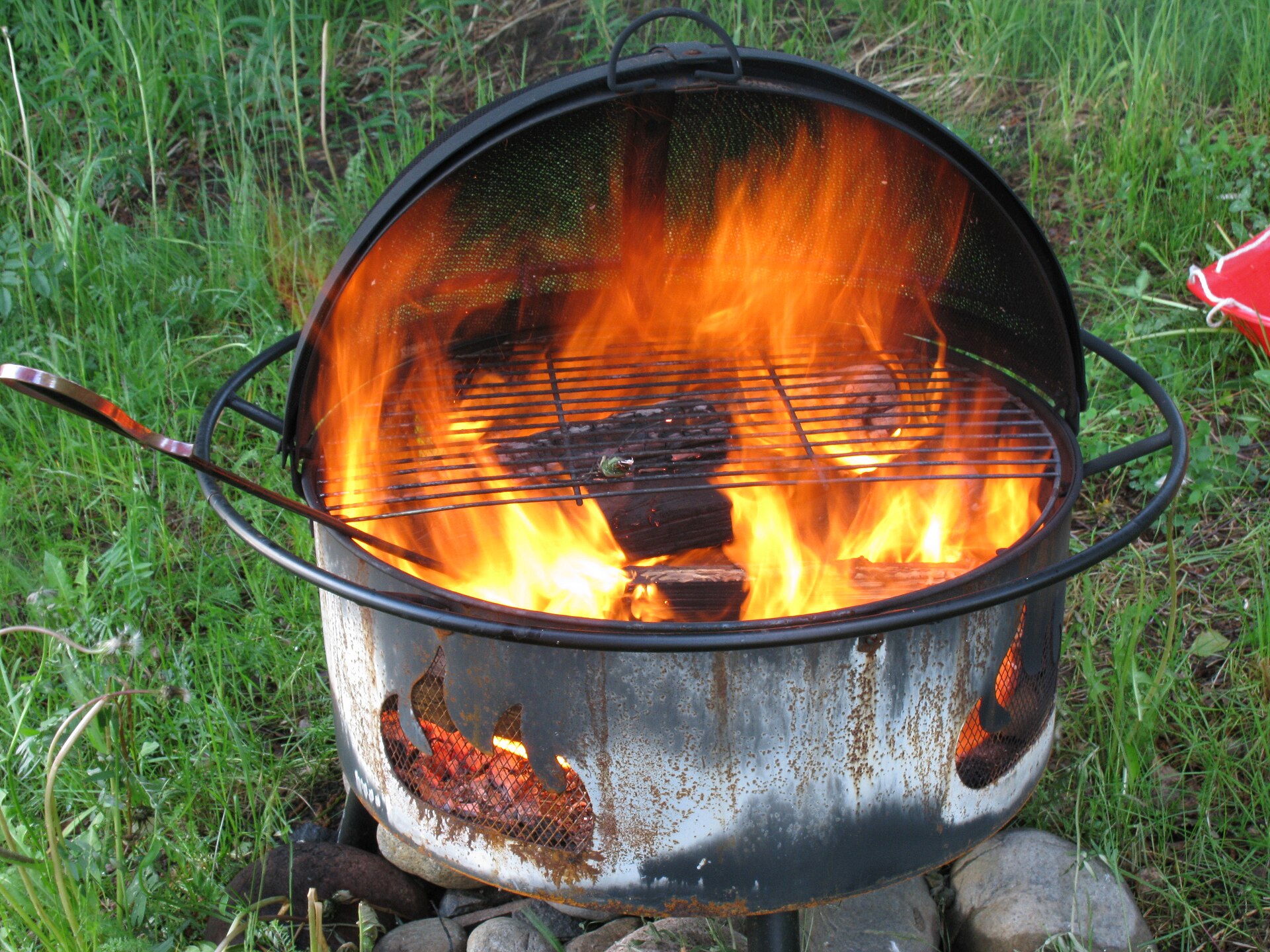
Image source: File:Burning barbecue.JPG · Public domain via Wikimedia Commons
Gas and charcoal can produce a good dinner, but they spend your time differently. Gas starts quickly and adjusts with a knob; charcoal needs lighting, vent work, and ash cleanup. Use your actual cooking schedule and tolerance for those chores to make the decision.
You trade speed for ritual
Gas grills light in seconds, come to temperature in minutes, and adjust with a knob. Charcoal takes longer to light and settle, and you steer it with vent positions and coal placement. The barbecue industry describes the trade the same way: gas is favored for speed and frequent use, charcoal for flavor and a more hands-on experience.
So the first question is when you grill. Weeknight dinners after work suit gas; slow weekend sessions where the fire is part of the occasion suit charcoal. Manufacturer guidance can explain operation, but it is not a neutral taste-test authority. Compare the same cut, seasoning, and smoke addition on your own cook before claiming one fuel wins.
Flavor, and adding smoke to gas
Charcoal flavor starts with the coals, and wood chunks or chips take it further. Gas heat is clean; to add smoke you set wood chips in a smoker box or a foil packet on the grate. It works for lighter smoke, but it is an add-on you manage during the cook rather than a property of the fuel.
If your menu is mostly quick cuts, poultry, and vegetables with occasional smoke cravings, gas plus a chip method may cover everything. If you want smoke on most cooks without extra steps, charcoal, or a pellet or kamado cooker, delivers it by default.
Cost, cleanup, and upkeep
Cost has two parts. Up front, gas grills tend to cost more, while per-cook fuel costs depend on your local prices and habits: propane cylinders are refilled or exchanged, natural gas is plumbed in once, and charcoal is bought by the bag. Compare totals in your own market rather than trusting a rule of thumb.
Cleanup differs visibly. Charcoal leaves ash that must cool completely before disposal, best in a metal container; gas produces no ash, though its grates and grease tray still need regular attention. Both benefit from a cover and a yearly deep clean.
Safety and the temperature bottom line
Both fuels are for outdoor use only, in well-ventilated spots away from doors and windows. Propane cylinders sold for exchange and refill carry overfill protection devices and should be stored upright away from heat; charcoal ash should cool in a covered metal container before disposal. These are the standard habits industry and safety guidance repeats.
Safety does not depend on the ignition method. Check whole beef, pork, and lamb cuts at 145°F and rest them three minutes; check ground meat at 160°F and poultry at 165°F. Pick gas or charcoal for the time and cleanup you will actually accept.
Sources
Sources used for this page
Ethan Wilder (pen name)
Research-based guides · read the Editorial policy
Keep planning
More in Comparisons
- 01Smoker vs grill: do you need both?Comparison · 5 min read
- 02Flat-top griddle vs grill: what each does bestComparison · 5 min read
- 03Pellet grill vs gas grill: which matches your cooking styleComparison · 5 min read
- 04How to Choose a Pellet Grill: Size, Features, and What to SkipEquipment · 5 min read
- 05Pellet Grills 101: How They Work and Who They Actually SuitEquipment · 5 min read