Equipment
How to Choose a Charcoal Grill: Kettle, Kamado, or Barrel
EWEthan Wilder (pen name)Published 2026-07-104 min read
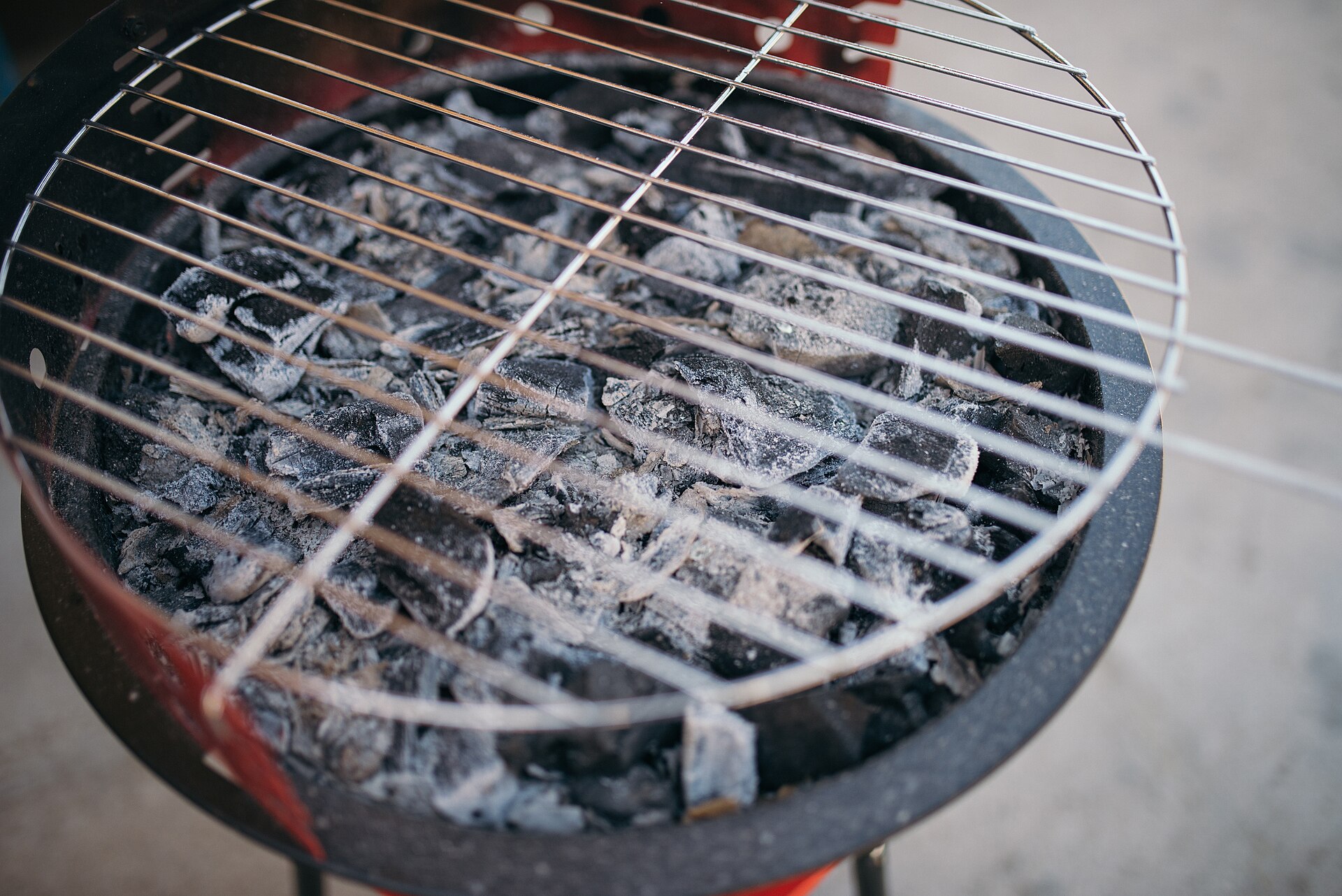
Image source: File:Charcoal grill ready for barbecue with ashes arranged neatly at summer gathering in backyard.jpg · CC BY 2.0 via Wikimedia Commons
Charcoal grill shapes create different jobs. A kettle is the practical all-rounder, a kamado holds heat for long cooks, and a barrel or offset gives you more room while asking for more fire management. Compare those trade-offs with the cooks you host, not with a product ranking.
Kettle grills: the everyday all-rounder
The classic round kettle is the most common charcoal grill in American backyards: a steel bowl with a grate, top and bottom vents, and a lid that turns it into an oven for indirect heat. Weber's original kettle design popularized the format, and its 22-inch model still sets the family-size reference point.
Kettles are affordable, simple to repair, and good at almost everything, including long smokes once you learn the vents. Their limits are capacity and heat retention: a thin steel bowl loses heat quickly in cold weather.
Kamado grills: the heavy-duty all-rounder
Kamados are egg-shaped charcoal cookers whose thick ceramic walls insulate like a kiln. The same fire that sips fuel through a long, low smoke can open up for hot grilling, and the heavy walls hold temperature in wind and cold. Kamado Joe, a leading maker of the style, sells its ceramic cookers on exactly that versatility.
The trade-offs are weight, price, and slow temperature swings. Ceramic bodies need a sturdy cart, they cost more than kettles, and they heat up and cool down slowly, so they reward planning over impulse cooking.
Barrel and offset grills: big capacity, more fire
Barrel-shaped charcoal cookers come in two styles: horizontal barrels with a firebox on one side, the offset or stick-burner design where heat and smoke travel across the food, and simpler barrels holding a fire beneath a long grate. Char-Griller's Smokin' Pro is a typical example of the first.
Their strength is capacity: barrels hold multiple briskets or racks of ribs for big backyard cooks. The cost is attention, because offset cooking means feeding the firebox by hand, which appeals to some cooks and rules it out for others.
Fuel, lighting, and daily upkeep
Charcoal comes in two forms. Briquettes are uniform pressed blocks that burn steadily and predictably, while lump charcoal is irregular chunks that light faster and burn hotter but less evenly. Both work in any of these cookers, and beginners often start with briquettes for consistency.
Light coals with a chimney starter rather than lighter fluid: HPBA notes it is the fastest way to get coals glowing, needing only briquettes and a crumpled newspaper page. After cooking, let ashes cool fully and dispose of them in a metal container, since charcoal can stay dangerously hot for hours; use the grill outdoors, away from walls, doors, and overhangs.
Match the style to your cooking
Pick the shape that fits your biggest cooks and your patience: weekday burgers and weekend ribs point to a kettle; a versatile cooker for year-round grilling and smoking in wind and snow points to a kamado; big parties and whole briskets point to a barrel offset.
No shape makes better food by default, because skill does. Buy the style you will actually use often, learn its vents, and the flavor will follow.
Sources
Sources used for this page
Ethan Wilder (pen name)
Research-based guides · read the Editorial policy
Keep planning
More in Equipment
- 01How to Choose a Pellet Grill: Size, Features, and What to SkipEquipment · 5 min read
- 02Pellet Grills 101: How They Work and Who They Actually SuitEquipment · 5 min read
- 03How to Choose Your First Smoker: Pellet, Charcoal, Electric, or KamadoEquipment · 5 min read
- 04Smoker vs grill: do you need both?Comparison · 5 min read
- 05Flat-top griddle vs grill: what each does bestComparison · 5 min read