Equipment
Pellet grill shortlist worksheet: compare before you buy
EWEthan Wilder (pen name)Published 2026-07-186 min read
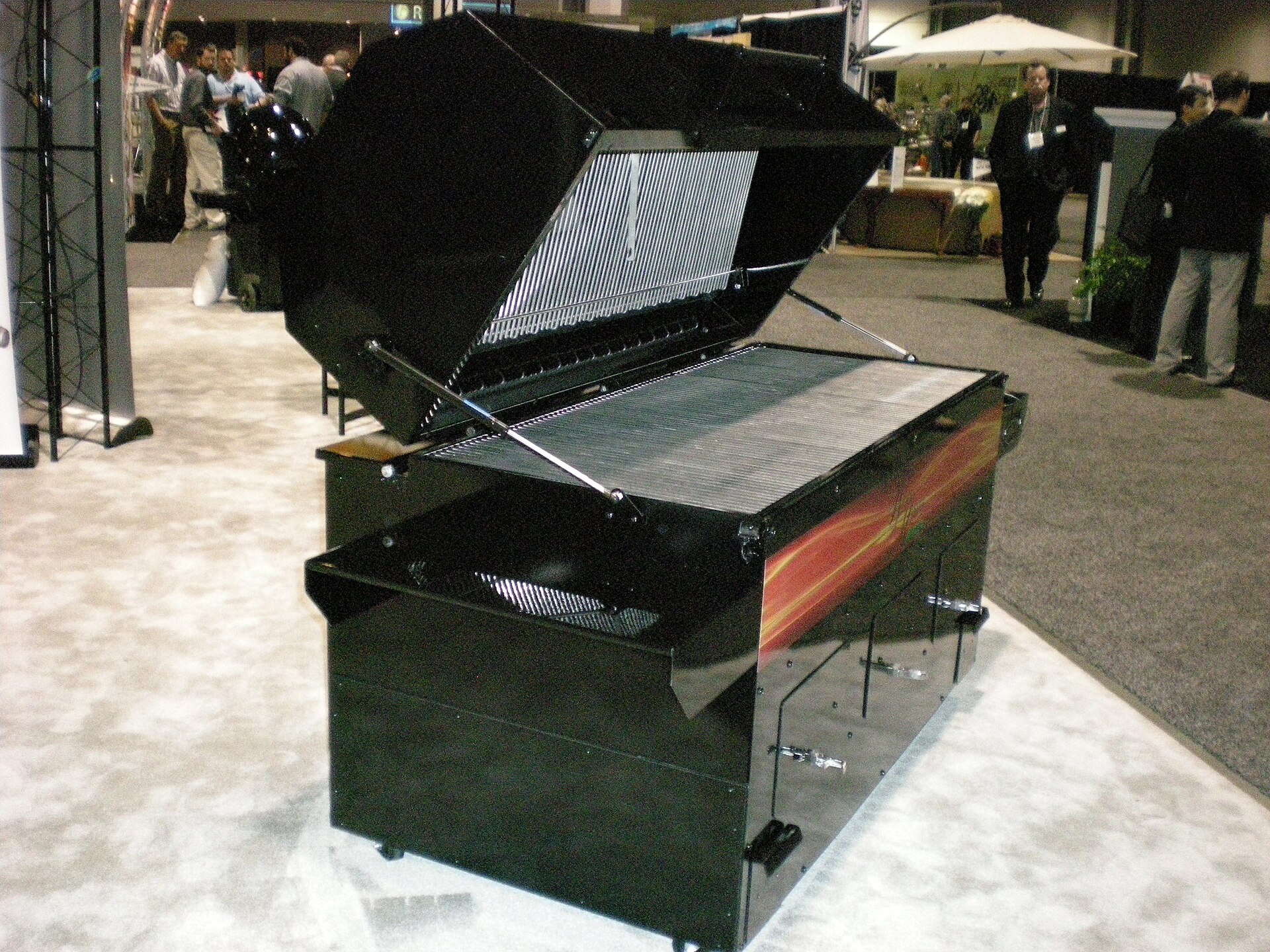
Image source: File:Pellet Hog Grill.JPG · CC BY-SA 3.0 via Wikimedia Commons
This is a worksheet, not a ranked list. Build a short list from your largest cut, normal headcount, available patio space, and willingness to clean and refill the cooker. Then record grate dimensions, low-temperature control, hopper access, ash removal, warranty, and replacement parts.
Start with the cooks you actually do
A shortlist makes sense only after you define the job. Someone who smokes one brisket a year for a holiday needs far less grill than a weekend cook feeding a crowd. Whole packer briskets and turkeys are long, and length on the grate matters as much as total square inches, so measure the biggest cook you plan.
Write down three or four cook types, your usual headcount, and the space where the grill will live, then use those to filter spec tables before you ever compare features you will not use.
Write the shortlist on paper before opening reviews: largest piece of meat, longest unattended run, number of people, and whether searing matters. Eliminate any grill that fails one of those requirements. A cooker that fits a headline square-inch number but cannot hold your longest cut is the wrong size.
- Cook area and grate dimensions are the first filters.
- Long cuts need grate length, not just headline square inches.
- Filter for patio space before filtering for features.
Temperature control is why the category exists
The pellet grill's appeal is a controller that holds a target temperature while wood pellets feed the fire - what industry guides describe as microprocessor-regulated heat management. Low and steady is the point, since the smoking range sits well below grilling heat.
Compare how each candidate behaves across its range rather than at its advertised max: can it hold a low smoke temperature on a cold or windy day, and can it climb high enough to sear when you want a hot finish? The temperature range on a spec sheet should match the cooks you listed in the first step.
- Low-end stability matters more than peak temperature for smokers.
- Match the stated temperature range to your planned cooks.
- A digital controller is the category norm, not a luxury.
Hopper size, ash, and cleanup: the ownership math
Hopper capacity sets how long the grill runs unattended. A larger hopper means overnight smokes without a refill, at the cost of more stored pellets and more sawdust to manage; a smaller hopper fits a patio that cannot hold a 20-pound bag and a grill.
Cleanup differences are part of the price you keep paying. Manufacturers' own maintenance guidance applies to any shortlist: ash gets vacuumed on a schedule, grease collects in a dedicated path, and some grills make emptying the hopper far easier than others with slides or doors. Put those differences on the table before you buy, not after.
- Match hopper capacity to your longest unattended cook.
- Prefer designs whose ash and grease paths are easy to reach and clean.
- Check that replacement parts are easy to order.
Budget first; warranty and support second
Set your spending ceiling before you open any product page, then compare warranties, parts availability, and how easy it is to reach support or find answers. A grill that breaks and waits a month for parts is no bargain at any price.
Skip features you will not use in your first year. Controllers and connectivity evolve quickly, and the grill you can actually maintain beats the one with the longest spec sheet.
Red flags are more useful than a feature count. Remove a candidate if the manual is unavailable, the grease path is hard to reach, replacement parts have no clear source, or the warranty excludes the parts most likely to wear. Those checks tell you more about ownership than an extra app feature.
- Warranty length matters, but parts availability matters more.
- Price the ownership, not just the purchase: pellets, covers, and cleanups add up.
- Buy for the cooks you do today, not the ones you imagine owning.
Sources
Sources used for this page
Ethan Wilder (pen name)
Research-based guides · read the Editorial policy
Keep planning
More in Equipment
- 01How to Choose a Pellet Grill: Size, Features, and What to SkipEquipment · 5 min read
- 02Pellet Grills 101: How They Work and Who They Actually SuitEquipment · 5 min read
- 03How to Choose Your First Smoker: Pellet, Charcoal, Electric, or KamadoEquipment · 5 min read
- 04Smoker vs grill: do you need both?Comparison · 5 min read
- 05Flat-top griddle vs grill: what each does bestComparison · 5 min read