Tutorial
3-2-1 Ribs: the Method, Temperatures, and Timing
EWEthan Wilder (pen name)Published 2026-08-176 min read
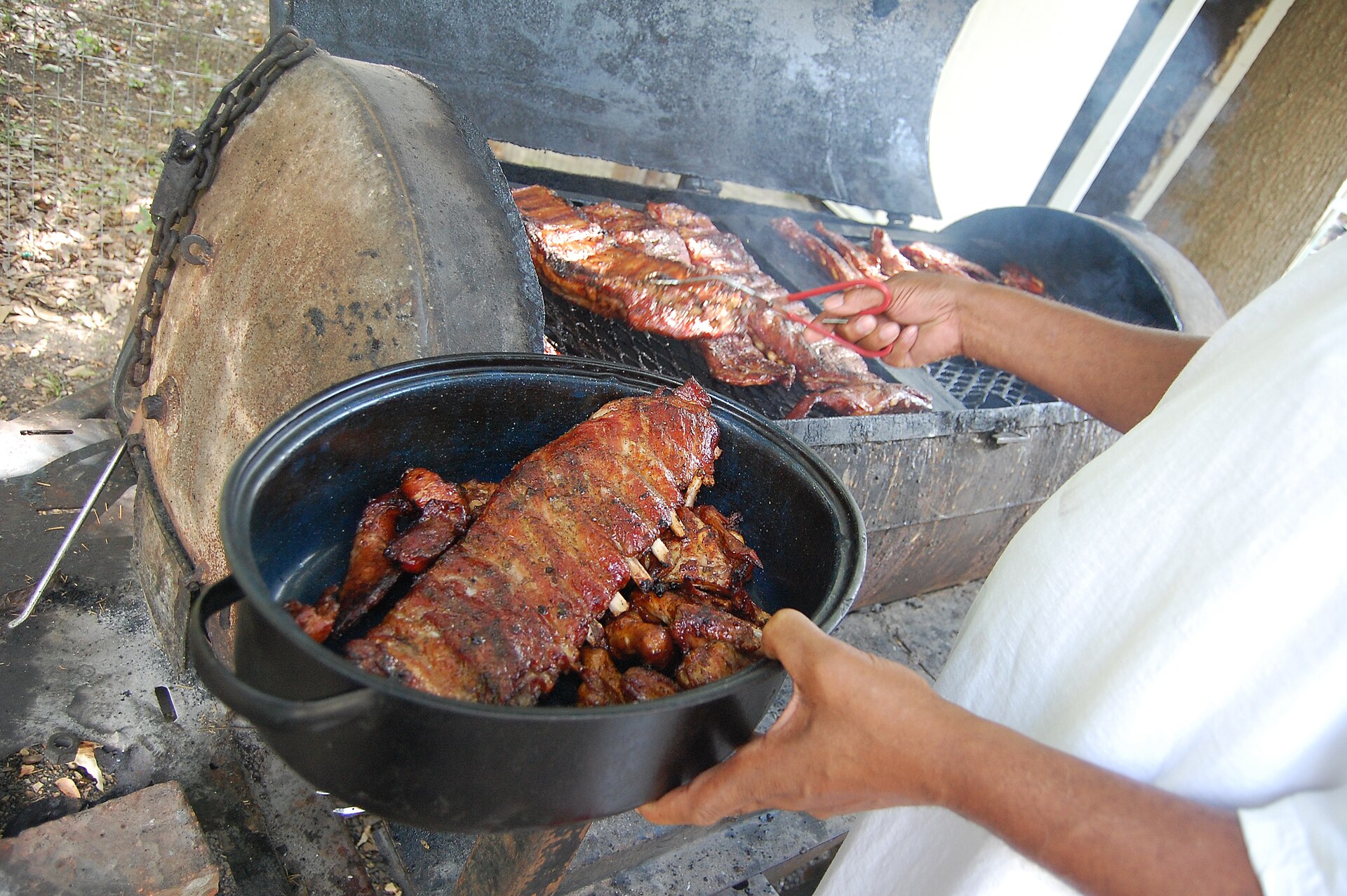
Image source: File:Barrel-Smoker Ribs, 2010.jpg · CC BY 2.0 via Wikimedia Commons
The 3-2-1 method is a timing shorthand, not a promise that every rack needs six identical hours. Spare-rib thickness, cooker temperature, wrapping material, and the texture you want all change the result. Use the stages as checkpoints and adjust when the rack tells you to.
The three stages and what each does
Stage one is about smoke: ribs sit unwrapped while the surface picks up color and bark. Stage two adds moisture and speed, wrapping the rack in foil or butcher paper, often with a small amount of liquid, so the ribs braise and tenderize quickly. Stage three unwraps them, lets a sauce or glaze set, and firms the surface back up.
The numbers are rough by design. A cooker that runs hot, a windy day, or a thick rack all shift the stages, and many cooks shorten the wrapped stage for baby backs or extend it for large spare-rib racks.
- Hours 0-3: unwrapped smoke for color and smoke flavor.
- Hours 3-5: wrapped cook for tenderness.
- Hours 5-6: unwrapped finish for sauce and texture.
Smoker temperature and setup
Most 3-2-1 guides run the smoker around 225-250°F, and NC State Extension's Homegrown series demonstrates spare ribs cooked this way for backyard cooks. Use 225°F for a slower first stage or 250°F when you need the rack moving; whichever target you choose, stabilize the smoker before the rack goes on and trust the cooker's thermometer over a guide's number.
Keep the rack away from direct flame and flare-ups, and remember that pellet, charcoal, kamado, and gas smokers each hold heat with different quirks. What a pellet grill does at a set point is not automatically what a kettle does at the same dial position.
When to wrap, and when not to
The wrap is a tool, not a rule. Wrap when the bark looks set and the ribs have taken on the smoke you want, usually a few hours in, because wrapping too early can soften the bark and mute the smoke flavor.
Butcher paper lets a little more bark breathe than foil, while foil seals tighter and is easier to find. Liquid in the wrap adds steam and speeds tenderness but can wash seasoning into the braise, so keep additions light and adjust to your taste.
There is no single correct version of the method. Treat the three stages as a starting point you tune across cooks rather than a recipe to follow by the minute.
Safety and doneness
On safety, the USDA numbers are simple: whole cuts of pork, ribs included, carry a safe minimum internal temperature of 145°F with a three-minute rest, and the FSIS temperature chart is the page to verify against. 3-2-1 ribs almost always finish well above that line.
Texture is a separate question from safety. For the tender, nearly fall-apart result many 3-2-1 cooks want, start checking around 195–205°F between the bones, then confirm with a toothpick or probe sliding in with little resistance. The temperature range is a doneness checkpoint, not a USDA safety rule; the rack's feel decides when to stop.
- 145°F is USDA's safe minimum for pork ribs; texture often calls for going higher.
- Probe between the bones, not into bone.
- When in doubt, cook longer, since ribs forgive extra time more than rushing does.
Sources
Sources used for this page
Ethan Wilder (pen name)
Research-based guides · read the Editorial policy
Keep planning
More in Smoking Guides
- 01How to Season a Flat-Top Griddle: Oil, Layers, and CareTutorial · 6 min read
- 02How to Smoke a Brisket: a First-Timer's Plan From Trim to RestTutorial · 6 min read
- 03How to Smoke Pulled Pork: Pork Shoulder BasicsTutorial · 6 min read
- 04Smoker vs grill: do you need both?Comparison · 5 min read
- 05Flat-top griddle vs grill: what each does bestComparison · 5 min read